For decades, data modeling tools were built for a different operating environment. Data lived in centralized systems, change cycles were slower, and modeling was handled by a small group of technical specialists working in isolation. In that context, desktop tools like SAP PowerDesigner made sense, offering structure, control, and strong alignment with underlying database systems.
But those conditions no longer exist. Today, data is distributed across platforms, constantly evolving, and closely tied to business outcomes. Teams are cross-functional, and decisions depend on shared understanding across the organization. Data modeling is no longer a one-time design exercise, but an ongoing process that must stay aligned with how data is actually created, used, and interpreted.
As a result, the same assumptions that once made desktop tools effective are now the ones holding teams back. To understand why, it’s important to look at how data modeling tools evolved, and what modern teams need from them today.
Why legacy data modeling tools worked and why they fall short today
Legacy data modeling tools were effective because they were built for structured, stable environments. They supported schema design, enabled governance, and allowed technical users to create detailed, database-aligned models. For organizations with slower change cycles and centralized data ownership, they provided clarity and control.
Modern data environments no longer operate this way. Teams are cross-functional, systems evolve quickly, and definitions must stay consistent across multiple tools and use cases. Data models are expected to evolve alongside the business, not remain static representations of a single point in time.
Desktop tools struggle in this context because they were not designed for continuous collaboration or rapid iteration. What once enabled precision now creates friction as speed, alignment, and accessibility become essential.
The hidden costs of legacy data modeling tools in modern data environments
As organizations scale their data operations, the limitations of file-based desktop and client/server tools become harder to manage. Models are stored as individual files and shared through exports or documentation, leading to multiple versions with no clear source of truth. Over time, this creates confusion around which definitions are accurate and which models can be trusted.
Because these tools are built primarily for technical users, business stakeholders are often excluded from the modeling process. This disconnect creates a gap between how data is defined and how it is implemented, causing definitions to drift and teams to use the same terms inconsistently.
Models also tend to fall out of sync with actual systems, turning them into outdated documentation rather than reliable representations of the data environment. As these issues compound, they lead to inconsistent metrics, increased rework, and declining trust in data.
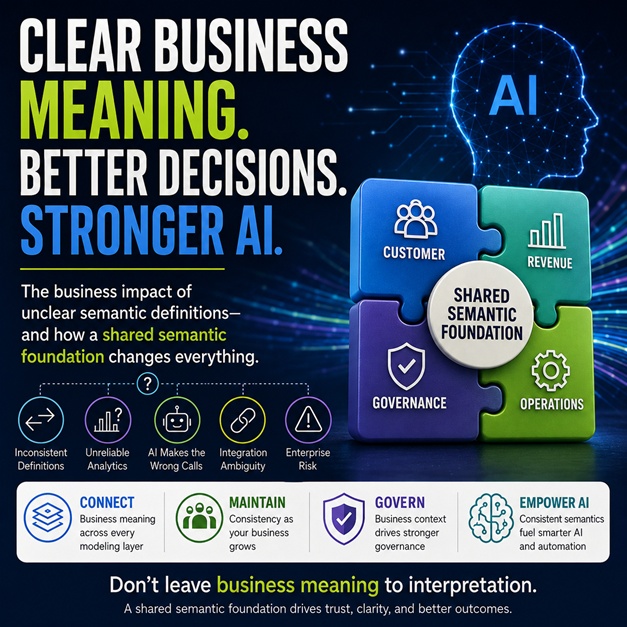
What starts as a tooling limitation quickly becomes a business problem, with teams spending more time reconciling differences than delivering insights and a weaker foundation for analytics and AI.
How software evolved from desktop tools to cloud-based collaboration
The move away from desktop data modeling tools reflects a broader shift that has already reshaped nearly every major software category. Design teams moved from local files to collaborative platforms like Figma, where multiple stakeholders can work in real time. Document workflows shifted from static files to cloud-based tools like Google Docs, enabling shared editing without version confusion.
Software development followed the same path, with platforms like GitHub making collaboration, version control, and visibility core to the workflow. Data and analytics tools, including Tableau and Power BI, have also shifted toward cloud-based environments that support real-time collaboration.
In each case, the shift to the cloud wasn’t just about infrastructure. It changed how work gets done, moving from individual ownership to shared environments, and from static outputs to continuously updated assets. Data modeling is now following the same pattern.
How cloud-based data modeling is changing how teams work with data
Cloud-based data modeling changes models from static diagrams into shared, living assets that evolve alongside systems. Instead of being confined to individual files, models are accessible across teams, allowing business and technical stakeholders to work from the same definitions.
This reduces the gap between how data is modeled and how it exists in production, while integrating models directly into workflows across design, governance, and analytics. Collaboration happens in real time, version control is built in, and visibility extends across the organization.
Key features of modern cloud data modeling platforms
Modern data modeling platforms aren’t just cloud-based versions of legacy tools, they’re designed to support how teams work with data today, across business and technical functions. Key features include:
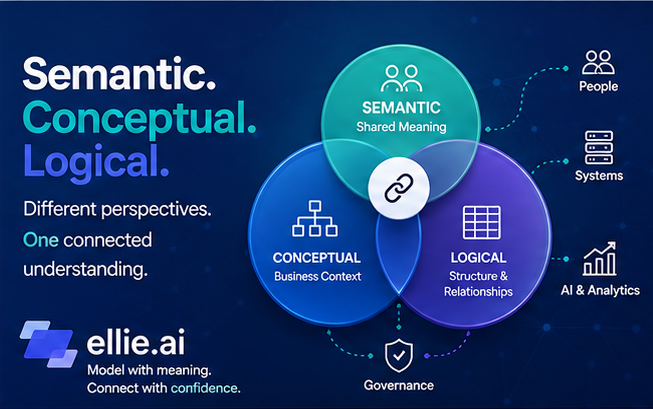
Ellie.ai is built around these capabilities, enabling teams to define, align, and continuously update data models in a shared environment. This shifts data modeling from static documentation to a collaborative system that supports accuracy, scalability, and faster decision-making.
Moving from SAP PowerDesigner to cloud data modeling platforms
For organizations using tools like SAP PowerDesigner, the decision to move to the cloud is less about replacing capability and more about addressing how data work has changed. These tools remain powerful, but they were not designed for today’s collaborative, fast-moving environments.
Desktop tools create friction in the areas that matter most today. Collaboration between business and technical teams is limited, slowing alignment and decision-making. Without a shared, continuously updated environment, definitions and models drift over time, creating inconsistencies across systems.
Manual workflows make it harder to iterate and adapt, while limited visibility prevents teams across the organization from accessing and understanding models. As complexity increases, maintaining consistency becomes more difficult, leading to rework, delays, and reduced trust in data.
Cloud-based platforms address these challenges by enabling shared ownership, continuous updates, and greater transparency across the organization. For SAP PowerDesigner users, ellie.ai platform will feel very familiar as our modeling philosophy aligns well with Merise that PowerDesigner was built upon.
Why modern data modeling is critical for analytics, AI, and data product success
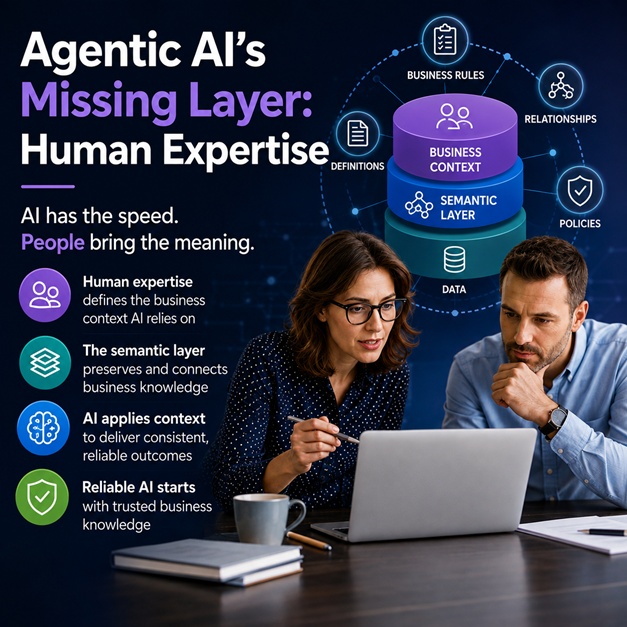
This shift is being driven by how organizations use data today. Analytics relies on consistent definitions across teams, data products depend on alignment between business intent and technical execution, and AI systems require clearly defined relationships and context rather than just raw data.
When data models are fragmented, outdated, or difficult to access, these initiatives struggle to deliver value. Misalignment at the modeling layer doesn’t stay contained, it creates downstream issues that are difficult to resolve, whether in reporting, machine learning, or operational systems.
While legacy tools remain functional, they were not designed to support this level of coordination, and as a result, they can become a bottleneck for organizations trying to scale their data capabilities.
The future of data modeling: aligning tools with how modern teams actually work
As the demands on data continue to grow, organizations need tools that support collaboration, adaptability, and shared understanding at scale. The question is no longer whether legacy tools can support data modeling from a purely technical perspective, but whether they align with how modern teams actually work with data across functions and systems. As data becomes more central to decision-making, the cost of misalignment grows, and tools that once created structure can begin to limit progress when they no longer support the pace and complexity of the organization. In this context, the shift from desktop to cloud is not simply a trend, but a reflection of a deeper change in how work itself gets done.